Tatranská múza s lýrou slovanskou
The Tatra Muse with a Slavic Lyre: his only poetry collection, written as a young student in Kežmarok.
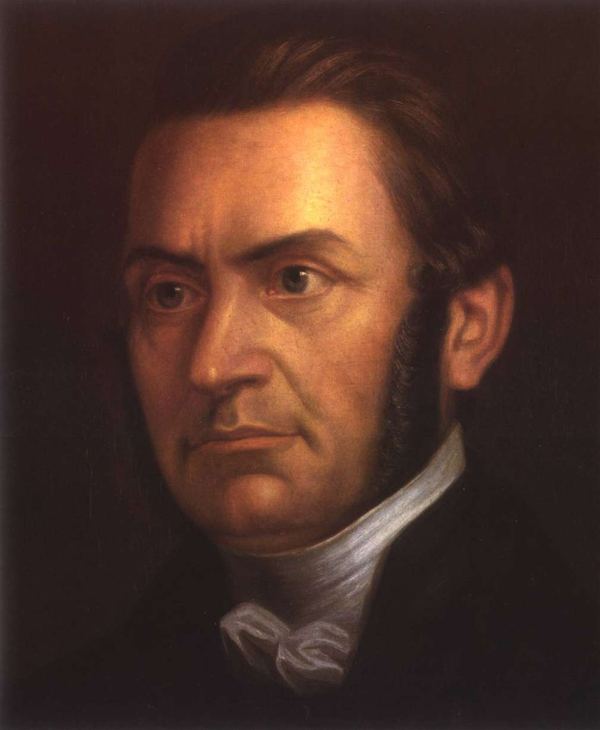
In the former Lutheran parsonage at the heart of the village, the poet, historian and founder of scholarly Slavic studies was born on 13 May 1795. Come for his story, the early Gothic church and the hills of the Ore Mountains.
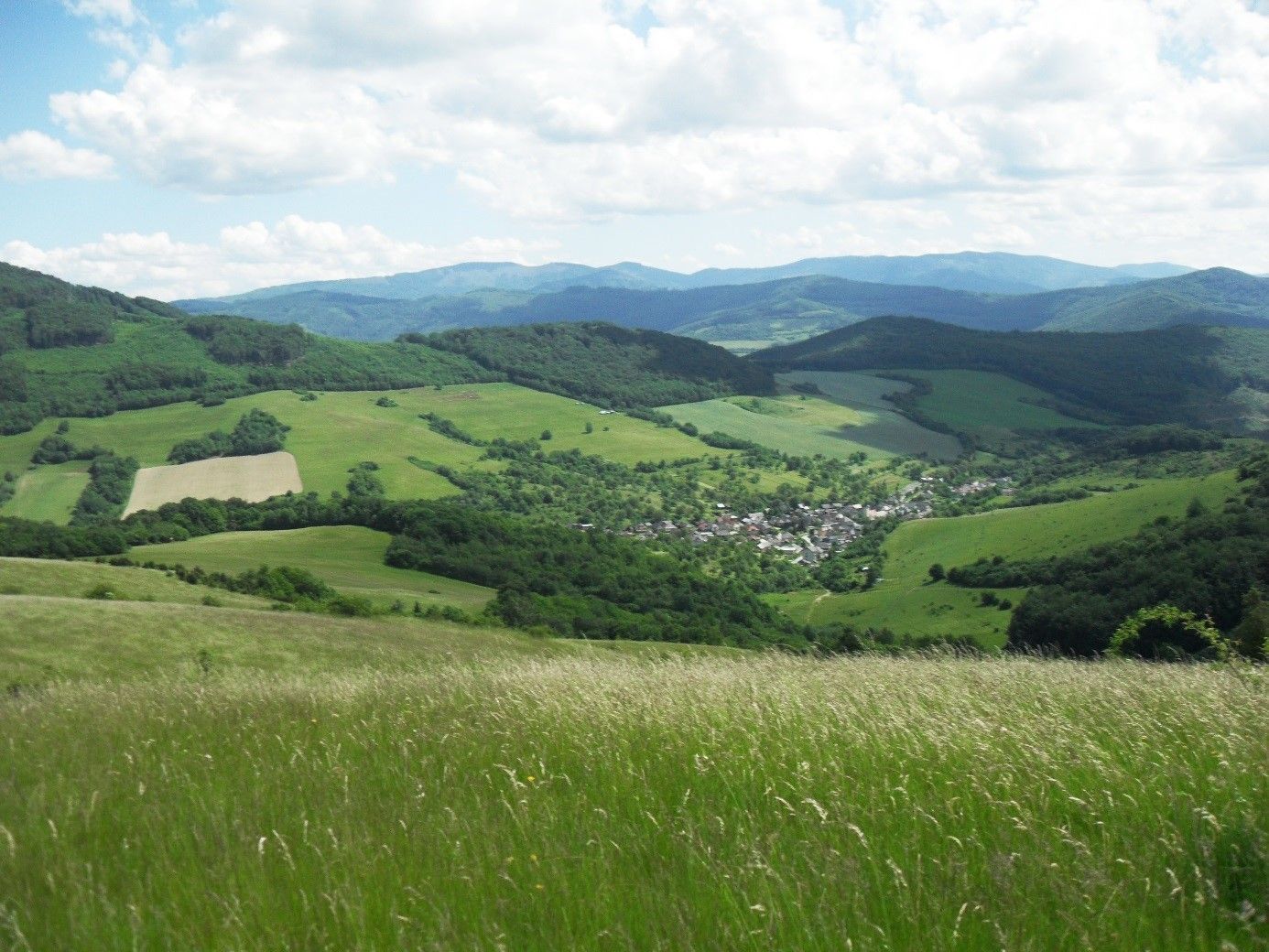
View of Kobeliarovo and the Slovak Ore Mountains
The memorial house is temporarily closed. According to the village, the P. J. Šafárik Memorial House has been closed for a full renovation since February 2026 until further notice. Please check with the village office before you travel: +421 58 795 12 43.
He grew up in Gemer, studied in Kežmarok and Jena, taught in Novi Sad and did his greatest scholarly work in Prague.
Born on 13 May to the Lutheran pastor Pavol Šafárik, who came from Štítnik.
Lower grammar school.
Grammar school.
Lutheran lyceum. He began writing here; his collection Tatranská múza s lýrou slovanskou was published in Levoča in 1814.
University: history, philology, philosophy and natural sciences. The poet becomes a scholar.
Private tutor to town families. With František Palacký he publishes Počátkové českého básnictví (1818).
Headmaster and teacher at the Serbian Orthodox grammar school. Collects folk songs and in 1826 publishes a history of Slavic languages and literatures.
Moves to Prague. Edits the magazine Světozor and later the Journal of the Czech Museum.
Slovanské starožitnosti (Slavic Antiquities) is published, followed by Slovanský národopis (Slavic Ethnography) in 1842.
Director of Prague University Library and associate professor of Slavic philology.
Dies on 26 June. Buried in Karlín; in 1900 his remains were moved to Olšany Cemeteries.
A farming and mining village in north-eastern Gemer. People lived from agriculture, home linen weaving and mining.
The early Gothic church is built, the oldest building in the village.
The mining hamlet of Filipovo grows up on village land, recorded in 1362 as Phylyphaza. It is abandoned in the mid-15th century.
First written record, as Fekethepatak. The village belongs to the Bebek family of Štítnik, later to the Andrássy family.
Pavol Jozef Šafárik is born in the Lutheran parsonage.
A census records 54 houses and 436 inhabitants.
The village is part of Gemer-Malohont (Gömör-Kishont) County. In 1910 it has 344 inhabitants.
Soviet and Romanian troops liberate the village.
The former parsonage is restored (1978–1983) and opens in 1986 as the P. J. Šafárik Memorial House.
560 years since the first record and 165 years since Šafárik's death. The memorial house is being renovated.
Šafárik wrote in Slovak, Czech, German and Latin. His work laid the foundations of scholarly Slavic studies.
The Tatra Muse with a Slavic Lyre: his only poetry collection, written as a young student in Kežmarok.
Principles of Czech Poetry, written together with František Palacký, on the rules of verse.
A history of the Slavic language and literature in all its dialects, written in German in Novi Sad.
Slavic Antiquities: a monumental work on the origins and early history of the Slavs.
Slavic Ethnography: a survey of the Slavic world of his day, its peoples and languages.
The village lies in the Slovak Ore Mountains. All three can be combined into one short walk.

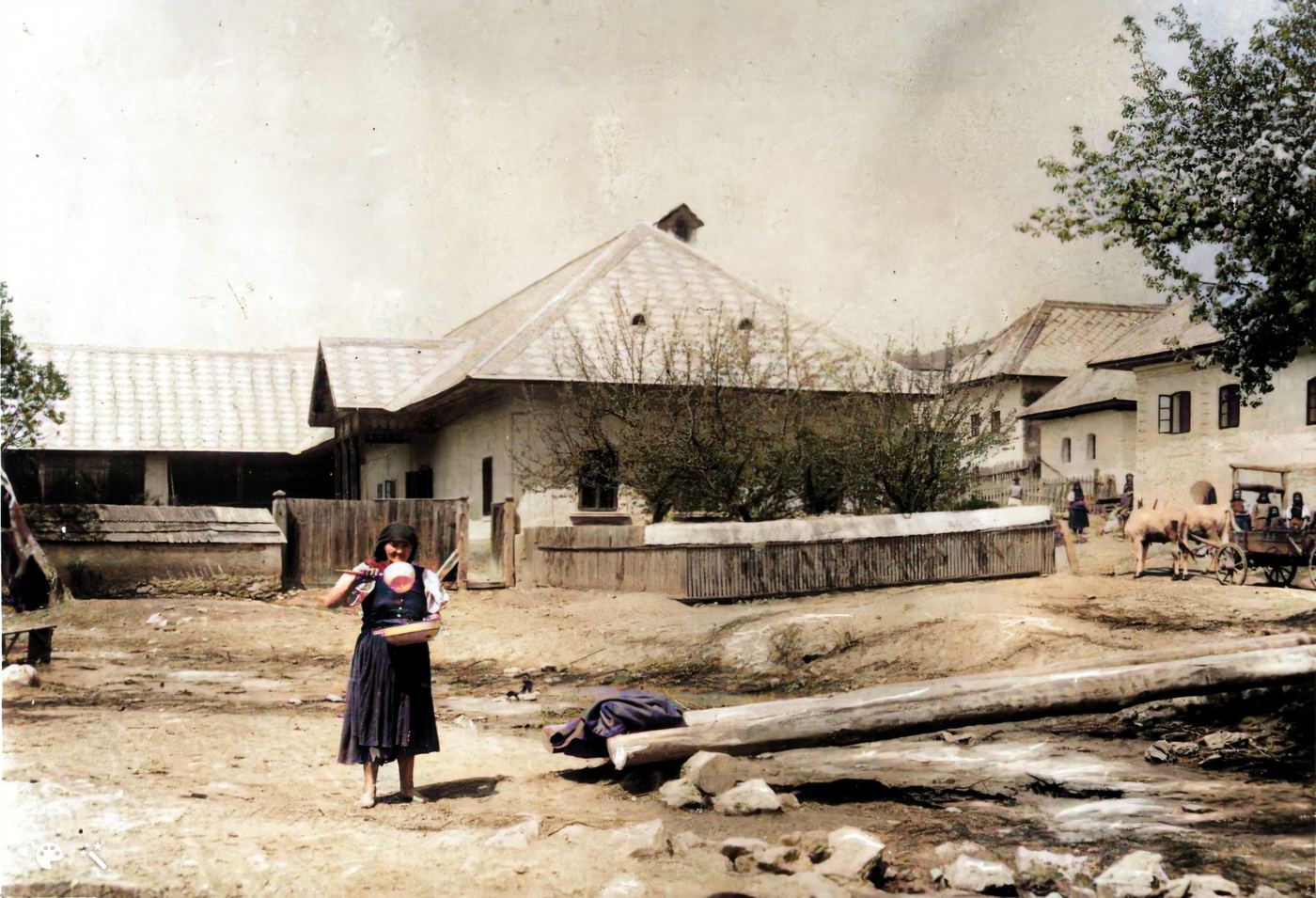
The former Lutheran parsonage where Šafárik was born. Restored in 1978–1983 and opened as a museum in 1986. The exhibition covers his family, studies, years in Bratislava, Novi Sad and Prague, manuscripts and first editions.
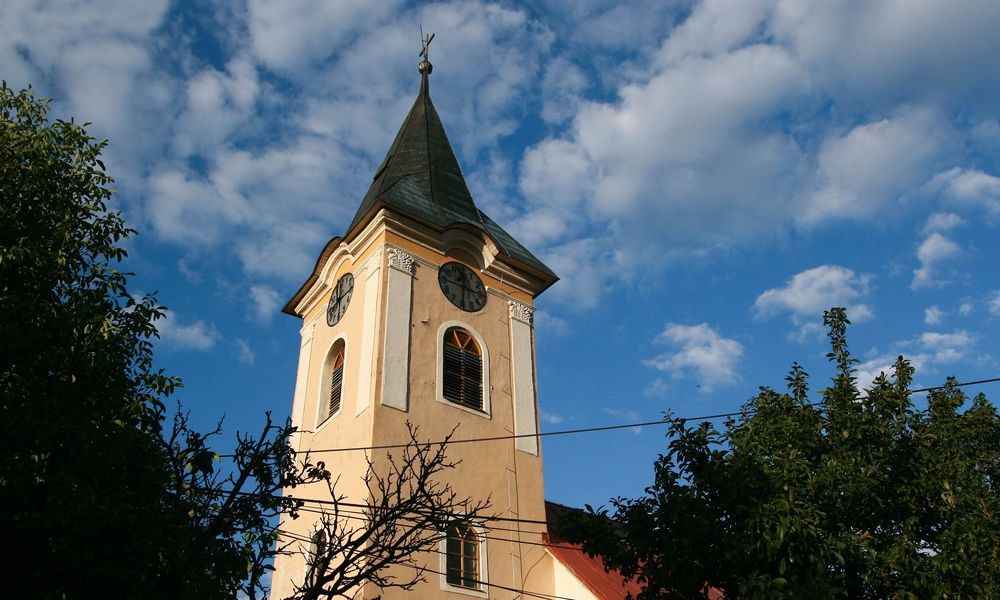
A single-nave early Gothic church from around 1300–1310 with a front tower. The neoclassical altar from the first half of the 19th century shows the Baptism of Christ. Šafárik's father preached here.
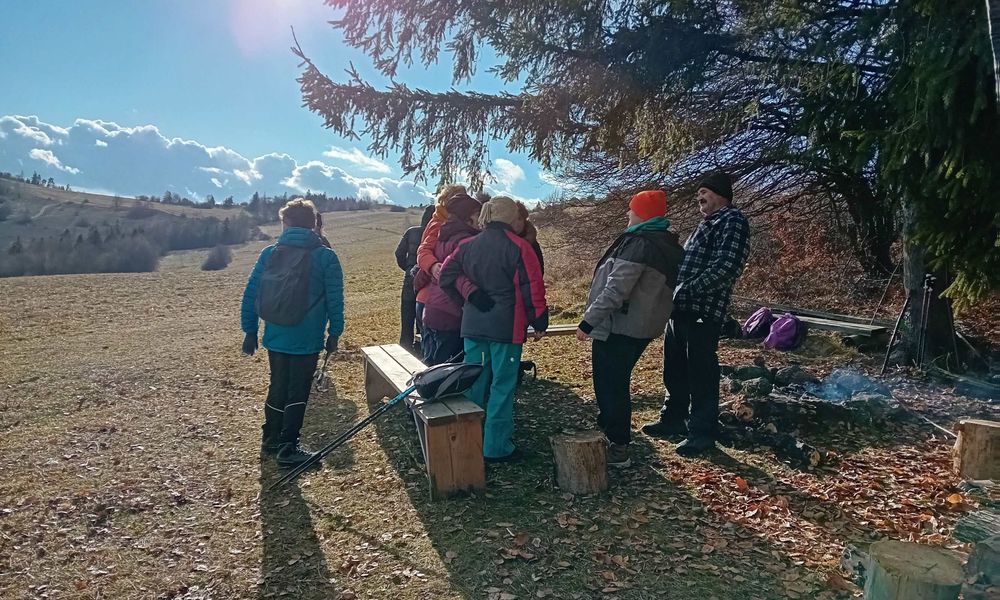
The hill above the village. Every year the village organises a hike up Ždiarik, once held under the name In the Footsteps of P. J. Šafárik, followed by goulash for everyone.
The main places where Šafárik studied, taught and researched, at their true distances from each other.
The map is drawn from geographic coordinates. Rožňava and Dobšiná lie right next to Kobeliarovo. On his way home from Jena in 1817 he stopped in Prague.
Birthplace; schools in Rožňava and Dobšiná.
Lyceum and first poems.
University studies.
Meets Dobrovský and Jungmann.
Tutor; friendship with Palacký.
Grammar school headmaster.
His major scholarly work.
Kobeliarovo is close to several sights of the Gemer region. Combine them into a family day trip.
Wall paintings from the 14th to 16th centuries cover about 200 m², among the most extensive in Slovakia. Šafárik's father was born in Štítnik.
A museum of the great collector of Slovak fairy tales. A good stop with children.
A rare cave decorated with aragonite, part of a UNESCO World Heritage site.
An interactive centre on mining and nature in Gemer, on Šafárikova Street. A small mine train runs in season.
A manor house with its original furnishings and a large park, about 7 km from Rožňava.
Morning in Kobeliarovo (the church and the birthplace from outside), then the Gothic church in Štítnik, where Šafárik's father was born. In the afternoon, Ochtiná Aragonite Cave or the interactive Sentinel centre in Rožňava.
Opening hours of the cave, churches and museums change with the season. Please check before you go.
Šafárik wrote his name in several ways: Safáry, Šafařík and Šafárik.
In Hungarian Kobeliarovo is called Kisfeketepatak, earlier Feketepatak, meaning Black Brook. In 1466 it was recorded as Fekethepatak.
As a student in Kežmarok he said he danced for just one winter, and even then like a young bear.
Since 1959 the university in Košice has carried his name.
His father was born in Štítnik and taught there before moving to Kobeliarovo.
Above his grave in Prague stands the original sandstone sarcophagus with an Old Serbian inscription.
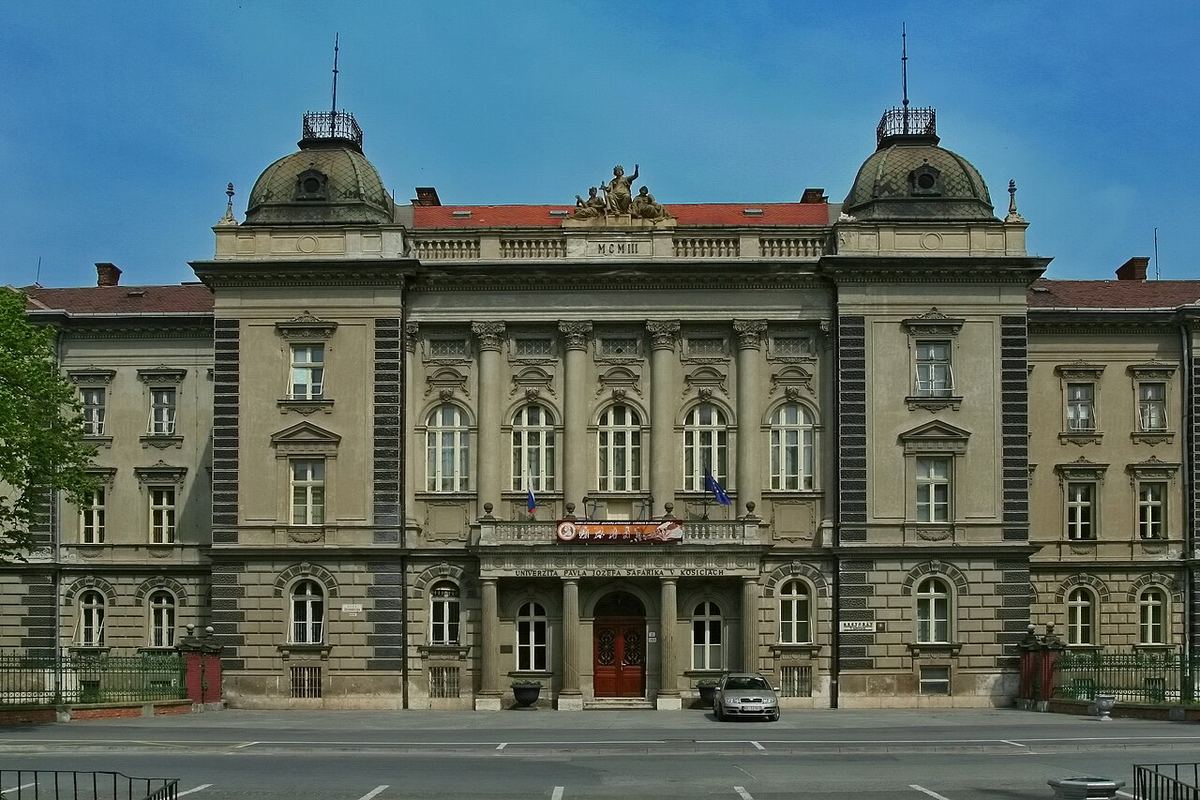
He was born on 13 May 1795 in Kobeliarovo, Rožňava district, eastern Slovakia, in the former Lutheran parsonage. Today it houses the P. J. Šafárik Memorial House.
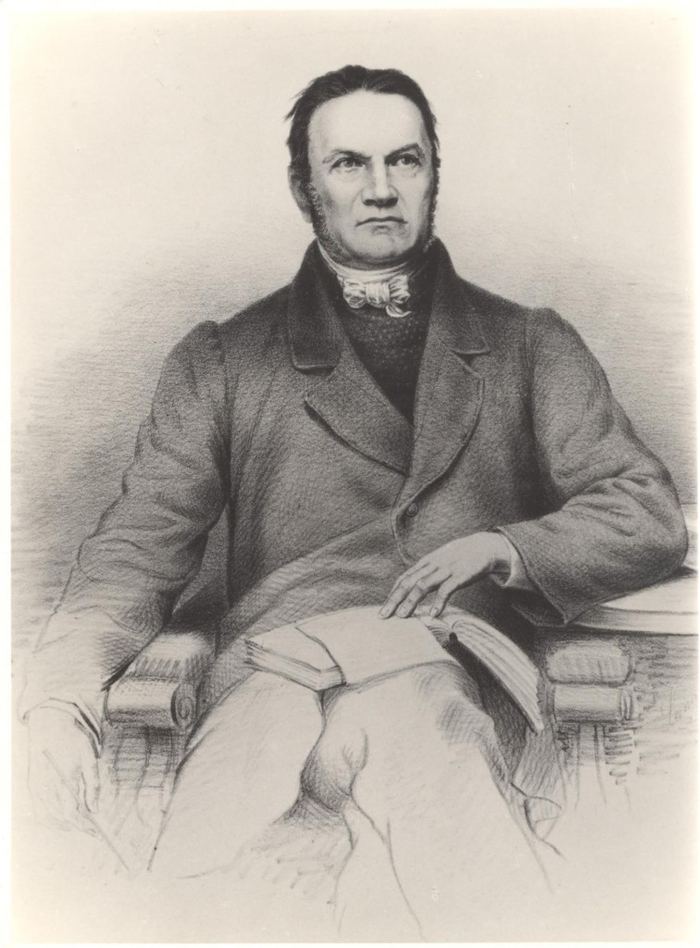
He was a poet, historian, linguist and ethnographer and the founder of scholarly Slavic studies. His main works are Slavic Antiquities (1837) and Slavic Ethnography (1842). The university in Košice has carried his name since 1959.
It has been closed for a full renovation since February 2026 until further notice. The Kobeliarovo village office can tell you the current status: +421 58 795 12 43.
The village lies 18 km north-west of Rožňava, about 6 km off the Rožňava – Dobšiná road. The memorial house is at 48.7445° N, 20.3694° E.
He died in Prague on 26 June 1861. He is buried at Olšany Cemeteries (1st General Cemetery, section 3, grave no. 1), where his remains were moved from Karlín in 1900.
In the village, the early Gothic Lutheran church and the hike up Ždiarik. Nearby, the Gothic church in Štítnik, Pavol Dobšinský's birthplace in Slavošovce, Ochtiná Aragonite Cave (UNESCO), the Mining Museum and Sentinel centre in Rožňava and Betliar Manor.